

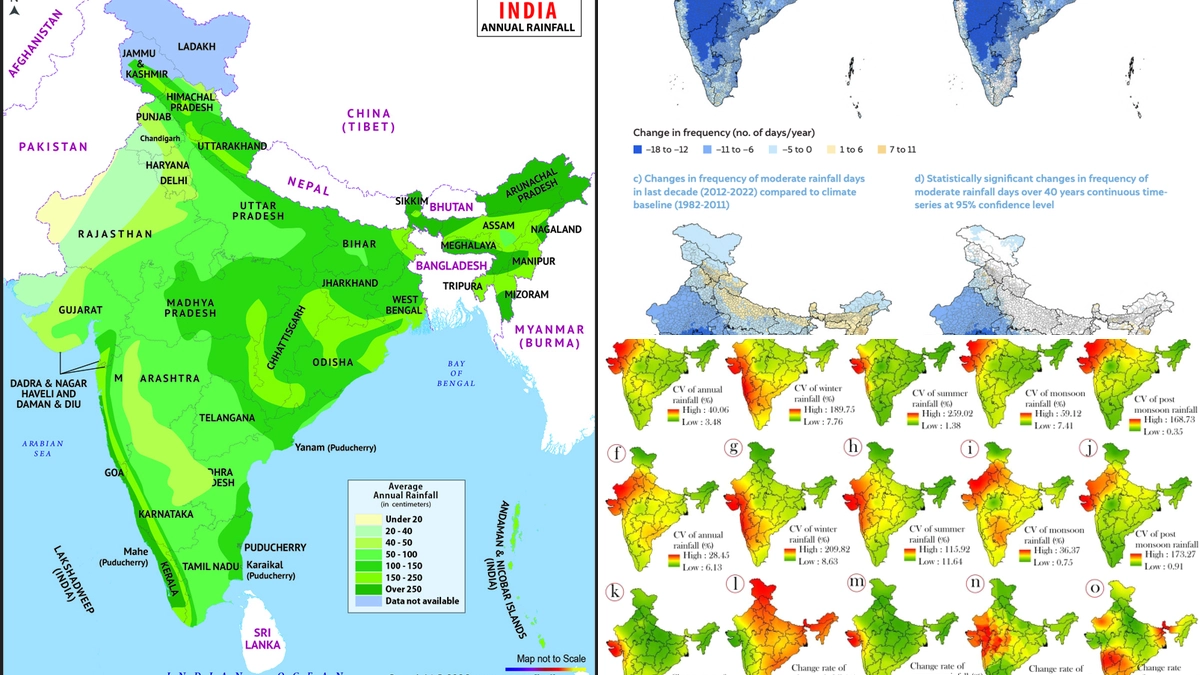
The rainfall patterns India displays are among the most geographically diverse and climatically complex in the world. According to the India Meteorological Department, the advancement of the southwest monsoon typically begins in the Andaman and Nicobar islands, marking the onset of a critical four-month seasonal period. For a nation where agriculture and water security are deeply intertwined with the skies, understanding these precipitation cycles is paramount for economic stability and disaster preparedness.
Spatial distribution and regional variations in precipitation
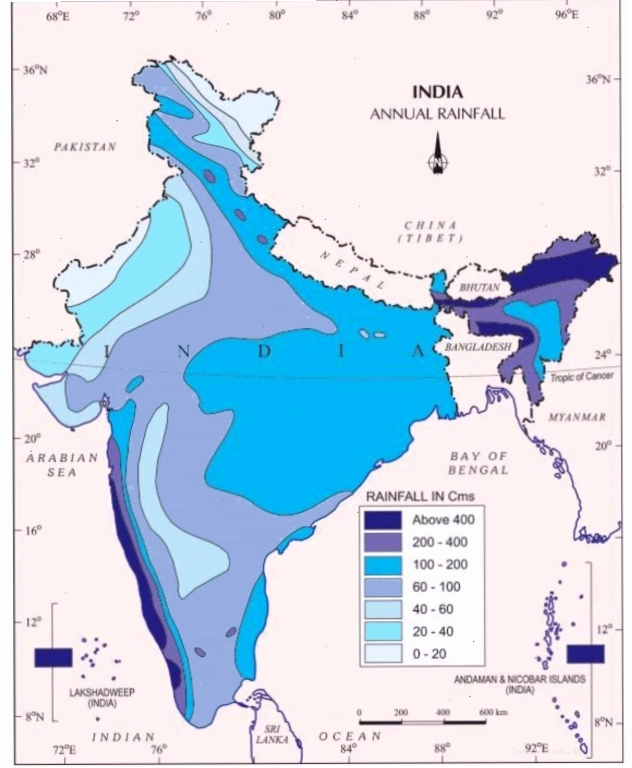
India is a geographical giant, and this vastness is reflected in the extreme disparities of its hydration levels. The coastal regions and high-altitude zones often act as the primary recipients of heavy downpours. Specifically, the Western Ghats and the Northeastern states frequently record rainfall exceeding 400 cm per year. In stark contrast, the interior of the Deccan Plateau and the eastern slopes of the Sahyadri mountains remain relatively dry due to the rain-shadow effect.
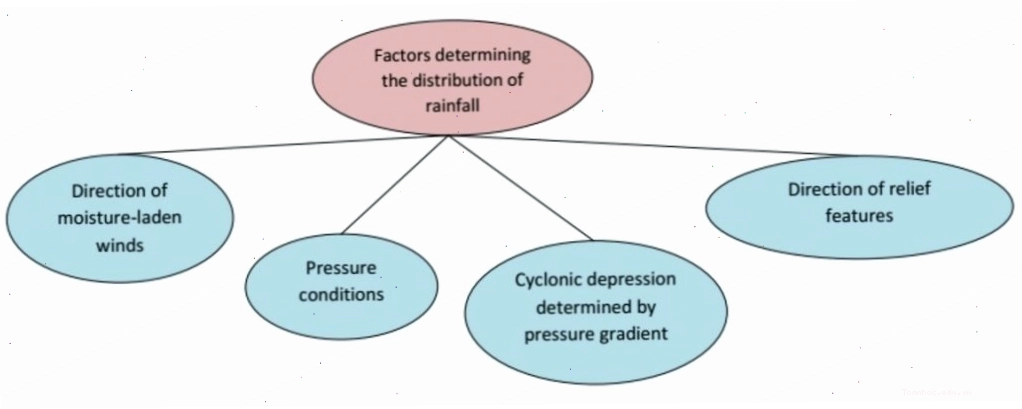
The movement of the monsoon exhibits a declining trend as it travels inland. For instance, precipitation levels generally decrease as one moves from Kolkata in the east toward Amritsar in the northwest. This gradient is a defining feature of the monsoon rainfall India depends on for its kharif crops. To understand more about our methodology and mission in tracking these changes, you can visit our about us page.
Classification of rainfall regions across the subcontinent
Meteorologists categorize the Indian landmass into four distinct rainfall zones based on the quantity of annual precipitation. This classification helps in resource management and developing an accurate precipitation forecast India can utilize for regional planning. The following table highlights the differences between these zones:
| Rainfall Zone | Average Annual Range | Primary Locations |
|---|---|---|
| Excessive Rainfall | Over 400 cm | Western Coast, Meghalaya, Arunachal Pradesh |
| Moderate Rainfall | 100 cm to 200 cm | Odisha, Bihar, West Bengal, Eastern Uttar Pradesh |
| Low Rainfall | 60 cm to 100 cm | Deccan Plateau, Punjab, Haryana |
| Inadequate Rainfall | Below 50 cm | Western Rajasthan, Ladakh, parts of Andhra Pradesh |

Historical anomalies and principal component analysis
Data spanning from 1900 to 1972 reveals significant anomalies in the Indian monsoon. Research by Stefan Hastenrath and Arnold Rosen indicates that these anomalies are not random but follow specific pattern characteristics. By utilizing spatial correlation and principal component analysis, scientists identified that nearly 74% of rainfall variance can be explained by eight primary components. The first component is highly correlated with the all-India rainfall index, showing the largest concordant departures in Central and Western India.

Furthermore, the frequency of cyclonic storms in the Bay of Bengal and the Arabian Sea plays a decisive role. High storm frequency years correlate with positive rainfall departures in Eastern and Southeastern India. Conversely, the number of 'break monsoon' days creates a zonally oriented band of deficient rainfall across Central India. Monitoring these fluctuations is essential for anyone following weather india updates regularly.
The role of cyclonic storms and break monsoon periods
The intensity of a monsoon season is often measured by its anomalies. When the frequency of cyclonic storms is low, an inverse rainfall pattern is often observed, leading to drought-like conditions in the North. Break monsoon days—periods when the monsoon trough shifts toward the Himalayas—often result in heavy rain in the mountains but severe deficiencies in the plains. This delicate balance determines the average rainfall India eventually records at the end of the September cycle.
Scientific stratification of these patterns serves to identify the physical significance of atmospheric pressure anomalies. It has been observed that the seventh principal component is strongly tied to the frequency of cyclonic storms, further proving that coastal weather systems are the primary engines for inland hydration. For a modern precipitation forecast India relies on these historical datasets to predict future variability with higher precision.
Final observations on managing rainfall variability
Understanding the intricacies of the Indian monsoon is more than just a scientific endeavor; it is a necessity for survival and growth. The unpredictable nature of rainfall patterns India faces means that water conservation and adaptive farming are essential. By analyzing historical data and current cyclonic trends, regional authorities can better prepare for both excessive floods and inadequate rain seasons. As we look toward the future, the integration of principal component analysis with real-time satellite monitoring remains our best tool for navigating the volatile climate of the Indian subcontinent.