

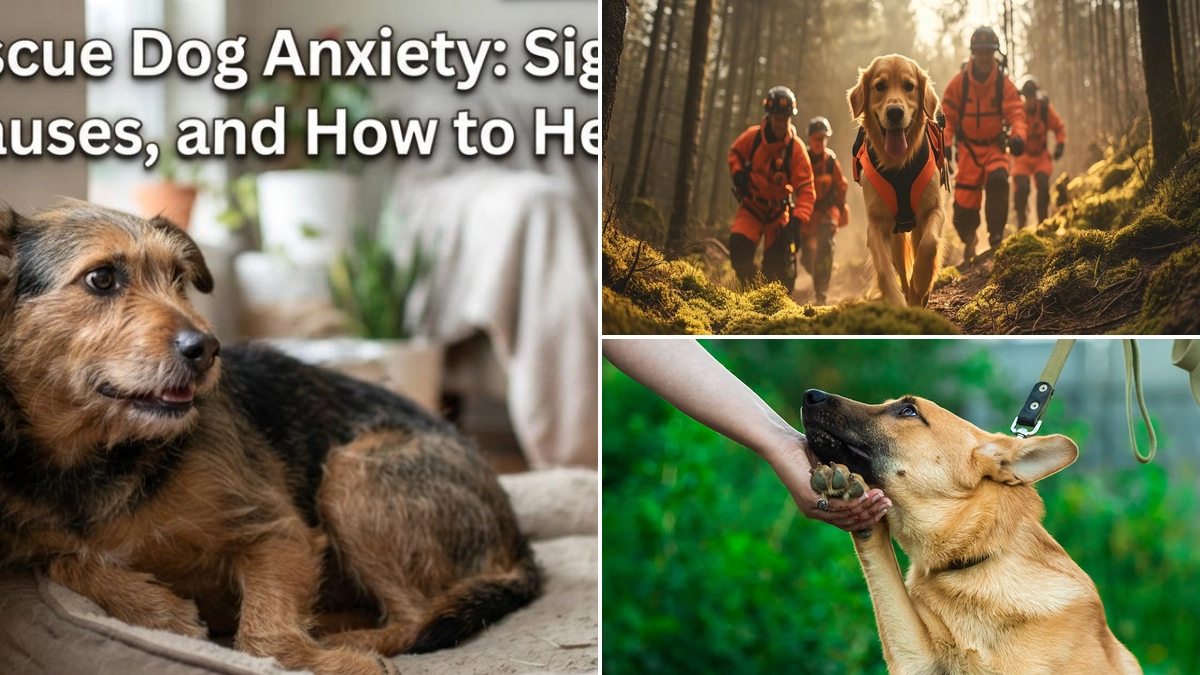
Welcoming a rescue dog into your home is a noble journey that often requires specialized knowledge and immense patience. Many of these animals arrive with hidden histories of trauma or limited socialization, manifesting as deep-seated anxiety and fear of strangers. To successfully integrate these pets, owners must employ specific training tips for anxious rescue dogs that prioritize safety, trust, and emotional regulation.
- Use high-value treats to encourage voluntary movement and exploration.
- Implement scent games and enrichment tools to reduce cortisol levels.
- Socialize in neutral, outdoor environments like parks to minimize territorial fear.
- Establish a predictable routine using marker words and clear boundaries.
Understanding the underlying causes of fear in rescue animals
Abnormal fear in dogs is rarely just a lack of training; it is often a psychological response to environmental stressors or past trauma. When a dog displays cowering, trembling, or even reactive aggression like lunging and barking, they are communicating a profound sense of insecurity. Understanding that fear is a physiological response rather than intentional disobedience is the first step in applying effective positive reinforcement training.

Behavioral issues often stem from a lack of exposure during the critical socialization window or specific negative experiences. For many rescue dogs, even a male guardian or a new visitor can trigger a flight response. Seeking professional dog behaviorist advice is recommended when a dog's fear is disproportionate to the actual threat, as they can help identify specific triggers and create a custom modification plan.
Essential enrichment tools to reduce daily anxiety
Creating a satisfying home environment is crucial for dogs that feel the need to retreat to a safe place. Mental stimulation can be as exhausting as physical exercise and is often more effective at calming a frantic mind. By engaging a dog's senses, you help them shift from a reactive state to a problem-solving state.
- Lick mats: The repetitive motion of licking releases endorphins that naturally soothe a dog's nervous system.
- Snuffle mats: These encourage foraging behaviors, allowing the dog to use their nose to find hidden treats.
- Scent games: Hiding high-value rewards around the house builds confidence as the dog successfully searches and finds their 'prey'.
- Marker words: Using a consistent word like 'Yes' or a clicker helps the dog understand exactly when they have performed a desired behavior.
| Enrichment Method | Primary Benefit | Difficulty Level |
|---|---|---|
| Lick Mats | Stress reduction and anxiety soothing | Beginner |
| Snuffle Mats | Mental stimulation and focused foraging | Intermediate |
| Catch Games | Building coordination and distance comfort | Intermediate |
| Scent Work | Confidence building and independence | Advanced |

Effective methods for socializing fearful dogs with strangers
Meeting new people inside the home can feel like an invasion to a fearful rescue dog. A better approach is to meet visitors in a neutral territory, such as a park. This change of pace allows the dog to literally shake off their anxiety and engage with the environment through sniffing, which is a natural stress-reliever. When visitors arrive, they should remain passive, freezing their movement to allow the dog to approach on its own terms.
The 'catch' game is a fantastic tool in these scenarios. By having a visitor toss treats toward the dog from a distance, the dog associates the stranger with a positive reward without feeling pressured to close the distance. Over time, as the dog feels safer, they will naturally begin to decrease the gap between themselves and the visitor. This method respects the dog's personal space while slowly expanding their comfort zone.

Managing multi-pet households and holistic health
Anxiety in one pet can often influence the behavior of others in the home. For owners with both dogs and domestic cats, maintaining the health of all animals is vital to keep stress levels low. Physical discomfort can lower a pet's threshold for fear, making them more reactive to external changes. Issues like tick-borne diseases or ear mites can cause constant irritation that exacerbates anxiety.
Proper cat care includes regular check-ups to prevent cat ear infections. If you notice your feline friend scratching excessively, you may need to treat cat ear mites using an appropriate ear mite medication. In some cases, a veterinarian might prescribe Tresaderm for cats to manage inflammation. Ensuring overall feline health and cat health creates a harmonious environment that supports the recovery of your anxious rescue dog.
Addressing separation anxiety and building independence
Many rescue dogs suffer from hyper-attachment to their new owners, leading to destructive behaviors when left alone. Effective separation anxiety solutions involve desensitizing the dog to 'departure cues' such as the sound of keys or putting on a coat. By performing these actions without actually leaving, you break the association between these sounds and the upcoming isolation.
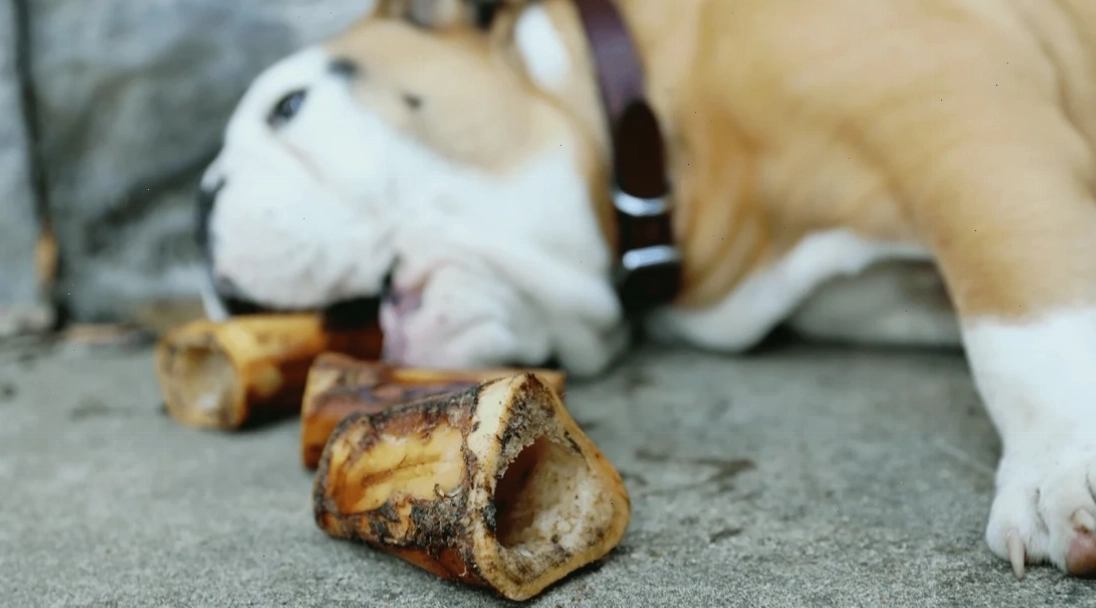
Gradual departures, starting with just a few seconds and slowly building up to minutes and then hours, help the dog realize that you will always return. Providing a high-value chew or a frozen stuffed toy during these times can give the dog a positive task to focus on while you are gone. Consistency is key; if the dog starts to panic, you have progressed too quickly and should return to a shorter duration.
Final thoughts on helping your rescue dog thrive
Building confidence in a fearful animal is not a linear process and requires a long-term commitment to positive reinforcement. By focusing on enrichment, respecting boundaries, and ensuring the physical health of all pets in the household, you provide the foundation your dog needs to feel secure. Always celebrate small victories, whether it is a sniff of a stranger's hand or a calm moment during a storm. If you remain patient and consistent, the bond you form with your rescue dog will be one of the most rewarding experiences of your life.